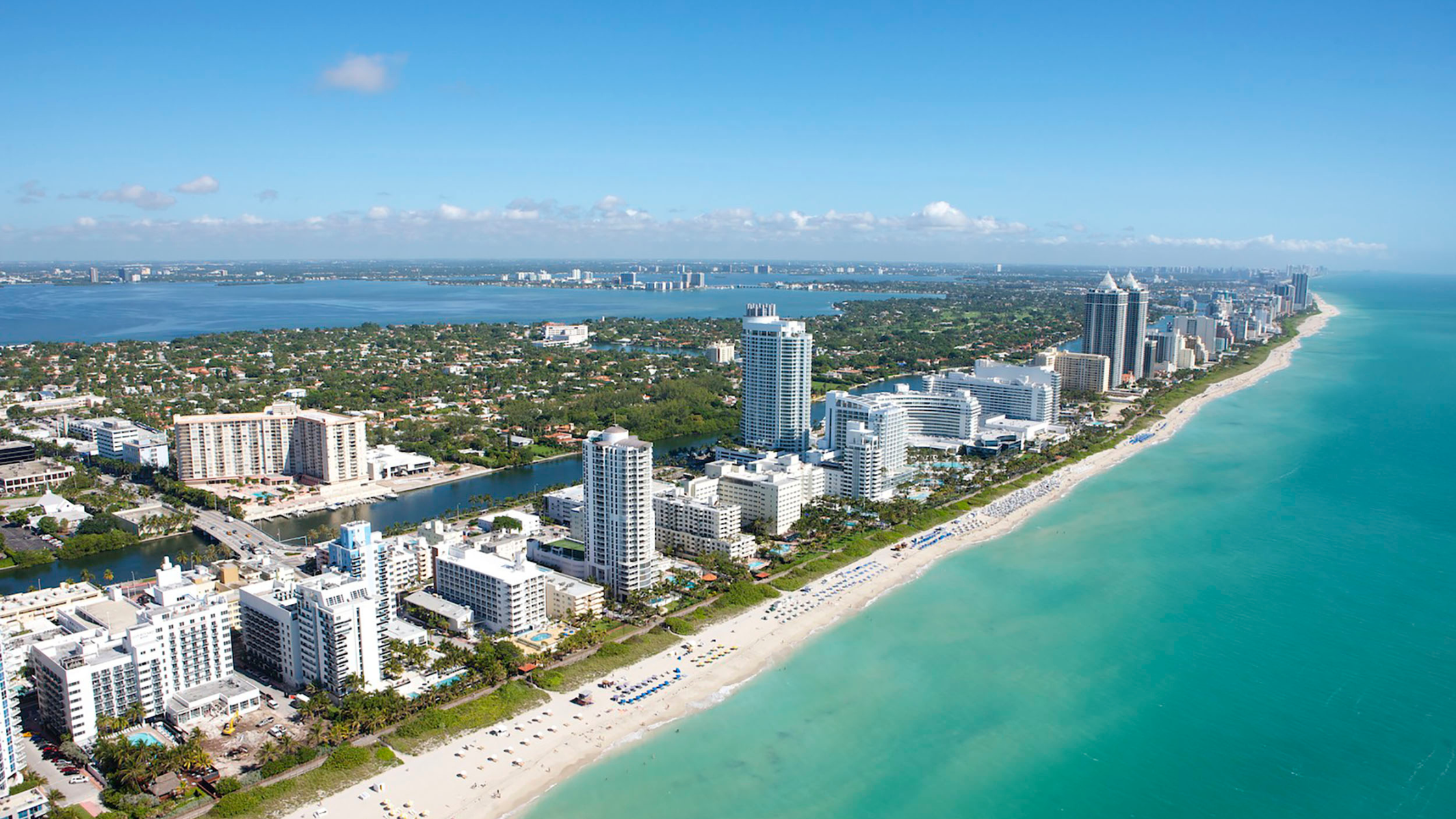
Miami Real Estate News

Oct. 12, 2026

Relocating to Miami: How to Choose the Right Neighborhood


Moving to Miami is exciting—but choosing where to live can be overwhelming.

Greater Miami includes dozens of distinct cities and neighborhoods, ranging from waterfront high-rises and walkable urban districts to quiet residential streets, gated estates, suburban communities, and beachside neighborhoods. Miami's official tourism organization even recommends starting a relocation search by comparing neighborhoods based on the kind of lifestyle you want.

The mistake I often see buyers make is starting with the house instead of starting with the neighborhood.

A beautiful home in the wrong location can quickly become frustrating. Before you begin touring properties, it helps to understand how you actually want to live in Miami.

Here are the questions I recommend asking first.

1. Start With Your Daily Routine

Before looking at listings, think about an ordinary Tuesday. Where will you be going? If you commute to Brickell every day, your search may look very different from someone who works remotely and only needs to be downtown occasionally.

Consider:

  • Where you work

  • Where your partner works

  • How often you need to travel to the airport

  • Where you spend your weekends

  • Whether you expect to drive every day

  • Whether public transportation matters

  • How often you want restaurants and shops within walking distance

Miami can look compact on a map, but traffic can make relatively short distances feel much longer. That is why I always recommend evaluating the commute from the actual property, not simply assuming that a neighborhood is "close."

2. Decide Whether You Want Urban, Residential or Suburban Living

Miami gives you very different versions of the South Florida lifestyle.

  • If you want high-rise living with restaurants, offices, shopping, and nightlife outside your building, Brickell may be a natural place to begin.
  • If you prefer established residential streets with architecture, landscaping, and a more traditional neighborhood feel, Coral Gables may make more sense.
  • If lush tropical surroundings, cafés, marinas, and a relaxed village atmosphere appeal to you, Coconut Grove is worth exploring.
  • If your priorities include larger properties and more residential space, Pinecrest and Palmetto Bay may belong on your list.

And if newer housing, recreation, and a planned community environment are important, Doral offers another very different alternative.

There is no single "Miami lifestyle."

Choosing the right neighborhood starts with deciding which version of Miami fits you.

3. Think About the Type of Home You Actually Want

Your preferred property type can immediately narrow down your search.

Do you picture yourself in a:

  • High-rise condominium 

  • Townhome

  • Historic home

  • Contemporary new construction

  • Traditional single-family home

  • Waterfront residence

  • Gated estate

  • Larger property with significant outdoor space

Brickell, for example, is primarily associated with condominium and high-rise living.

Coral Gables offers everything from smaller historic homes to substantial gated and waterfront estates. Coconut Grove combines historic cottages, modern homes, townhomes, condominiums, and major luxury properties. Pinecrest tends to attract buyers looking for larger single-family properties and more land. Rather than choosing a neighborhood first and forcing your housing preferences into it, consider the two together.

4. How Important Is Walkability?

For some buyers, being able to leave the car at home for dinner, coffee, errands, or an evening out is a major priority. But in Miami, walkability can change dramatically from one pocket to the next — even within the same neighborhood.

In Coral Gables, look beyond the broad “downtown” label. Homes and condos near Giralda Plaza, Aragon Avenue, Ponce de Leon Boulevard and The Plaza Coral Gables put restaurants, cafés, the Coral Gables Art Cinema, shops and everyday conveniences within a relatively easy walk. Giralda Plaza itself is pedestrian-only and has become one of the Gables’ strongest dining and gathering areas.

Farther south, the Merrick Park corridor offers a different kind of walkability, with The Shops at Merrick Park, dining, fitness and nearby residential developments clustered together. Once you move deeper into the larger residential sections of Coral Gables, however, the lifestyle becomes considerably more car-oriented.

Coconut Grove has its own version of walkability, centered around Grand Avenue, Main Highway and Commodore Plaza. From there, residents can walk to CocoWalk, neighborhood restaurants and cafés, Peacock Park, the marina and the waterfront. Certain residential streets surrounding the Village allow buyers to have a single-family-home lifestyle while still being close enough to walk into the heart of the Grove.

Brickell is the most urban option of the three. Restaurants, offices, shopping, residential towers and transit are concentrated within a much denser footprint, making it the easiest choice for someone who wants daily life to revolve around walking rather than driving.

The important question isn't simply, “Is this neighborhood walkable?” It is “What can I actually walk to from this particular property?” Two homes in the same neighborhood can offer completely different day-to-day lifestyles depending on their exact location.

5. Decide How Much Space You Need

Miami buyers often discover that their expectations about lot sizes change dramatically from one neighborhood to another.

A buyer relocating from Manhattan may consider a modest yard enormous. Someone moving from a suburban market may expect considerably more outdoor space.

If you want a larger lot, pool, expansive backyard, guest house, or substantial distance between neighboring homes, areas such as Pinecrest, South Coral Gables, Palmetto Bay, and portions of Coconut Grove may deserve closer attention.

If outdoor space is less important and you would rather have building amenities and convenience, a condominium lifestyle may make more sense.

6. Do You Want to Be Near the Water—or On It?

There is a big difference.

You can live near Biscayne Bay without owning waterfront property. You can also own a waterfront home where boating logistics become an important part of the buying process.

For buyers who simply want the waterfront lifestyle, areas such as Coconut Grove, Key Biscayne, Miami Beach, and Brickell offer different ways to enjoy proximity to the water. For someone who wants a boat behind the house, the search becomes much more specific.

Coral Gables includes several waterfront communities such as:

  • Gables Estates

  • Cocoplum

  • Tahiti Beach

  • Old Cutler Bay

  • Gables by the Sea

But waterfront buyers should look beyond the view. Canal depth, dock configuration, bridges, water access, seawalls, and the route to Biscayne Bay can all matter.

7. Consider How Much Privacy You Want

Some people relocate to Miami because they want to be in the middle of everything. Others come specifically because they want space and privacy.

If privacy is a priority, you may be more interested in:

  • Gated communities

  • Larger estate lots

  • Cul-de-sacs

  • Quiet residential streets

  • Waterfront enclaves

  • Low-density neighborhoods

South Coral Gables contains numerous guard-gated and private communities. Pinecrest also offers substantial properties with a more private residential feel.

Coconut Grove can provide another version of privacy, where dense tropical landscaping and winding streets make some homes feel surprisingly secluded despite their proximity to the city's center.

8. Visit the Neighborhood at Different Times of Day

This is one of the simplest pieces of advice—and one of the most important. Do not experience a neighborhood only during a scheduled showing.

Go back. Drive through around 8:00 in the morning. Visit again around 5:30 in the afternoon.

Come by on a Saturday morning. Have dinner nearby. Walk around after dark.

Something that feels peaceful at noon may feel very different during rush hour. A neighborhood that looks quiet during the week may become much more active on weekends.

When you are relocating from another city or state, spending this extra time can tell you far more than another hour of scrolling through listings.

9. Think Beyond Today's Commute

Your current job matters, but so does flexibility.

Miami-Dade's transportation system includes Metrorail, Metromover, Metrobus, Brightline connections, and a growing number of transit-oriented developments. Current county plans continue to focus on connecting residential areas with employment and commercial centers.

Even if you expect to drive most of the time, access to major roads and transit can influence how easily you move around the region.

Think about:

  • Brickell and Downtown

  • Miami International Airport

  • Miami Beach

  • Coral Gables

  • Coconut Grove

  • South Miami

  • Dadeland

  • Broward County

Where will you realistically need to go over the next several years?

10. Understand That Neighborhood Names Can Be Misleading

One of the most important things newcomers discover is that two homes with the same neighborhood name can offer very different lifestyles. "Coral Gables" could mean a property near Miracle Mile where restaurants are close by. It could also mean a large estate much farther south near Old Cutler Road.

"Coconut Grove" could mean being steps from CocoWalk. Or it could mean a private, heavily landscaped home in South Grove.

"Miami Beach" could mean South Beach, Mid Beach, or North Beach—each with its own atmosphere.

That is why neighborhood research should eventually become street-by-street research.

Some Miami Neighborhoods to Put on Your List

If you're just beginning your relocation search, here are several communities worth exploring.

Coral Gables

Consider Coral Gables if you like established architecture, tree-lined streets, gated communities, luxury estates, waterfront homes, and a polished downtown centered around Miracle Mile.

Coconut Grove

Explore Coconut Grove if you prefer lush tropical landscaping, architectural variety, walkability around the Village Center, boating culture, marinas, and a more relaxed atmosphere.

Pinecrest

Look at Pinecrest if larger lots, single-family homes, privacy, and a more residential environment are priorities.

Brickell

Brickell may suit you if you want high-rise living, restaurants, nightlife, offices, building amenities, and access to transit.

Key Biscayne

Key Biscayne can appeal to buyers seeking island living, beach access, boating, and proximity to central Miami.

South Miami

South Miami provides a residential feel while remaining close to Coral Gables, Coconut Grove, Pinecrest, the University of Miami, and major commercial areas.

Palmetto Bay

Palmetto Bay is worth exploring if you want more space, parks, established residential neighborhoods, and South Miami-Dade living.

Doral

Doral offers newer housing options, planned communities, parks, shopping, restaurants, and convenient access to western Miami-Dade.

Miami Beach

Miami Beach offers a completely different lifestyle centered around the ocean, condominiums, waterfront homes, restaurants, culture, and distinct neighborhoods stretching from South Beach to North Beach.

Aventura

Aventura may appeal to buyers looking for condominium living, shopping, recreation, and a location that provides access to both Miami-Dade and Broward.

Miami's official relocation guide similarly describes the region as offering everything from urban centers such as Brickell and Downtown Miami to residential communities including Coconut Grove and Coral Gables and more suburban options such as Doral and South Dade.

Don't Choose a Neighborhood Based Only on Someone Else's Recommendation

This may be the most important piece of advice I can give someone relocating to Miami.  A friend may tell you that they love Coconut Grove.  That doesn't necessarily mean you will.  Someone may insist you should live in Brickell because it's convenient.  But if you want a yard, quiet evenings, and more privacy, it might not match your lifestyle.

Online lists can help you create a shortlist.  They should not make the decision for you.  The right Miami neighborhood is the one that fits the way you actually live.

Thinking About Relocating to Miami?

If you're moving from New York, California, Chicago, another part of Florida, or somewhere outside the United States, your first Miami home search can feel like learning an entirely new city. You don't need to know every neighborhood before you arrive. You just need to start with the right questions.

Once we understand those priorities, the Miami map becomes much easier to narrow down.

After more than 20 years working in the Miami real estate market, I can help you compare the neighborhoods, streets, property types, and lifestyles that make sense for your move—not simply send you a list of available homes.

Work with Lisa Fox | Coldwell Banker Realty

Whether you are looking to buy, sell, or relocate anywhere across Coral Gables, Coconut Grove, Pinecrest, Doral, or greater South Florida, I am here to help you navigate the local market with confidence.

Lisa Fox | Coldwell Banker Realty

📍 Serving Coral Gables, Coconut Grove, and South Florida Real Estate

Call or text me at 305-345-8153 or email Lisa@LisaFox.com.

🌐 Explore Homes at CoralGablesHomeSearch.com
 

Oct. 12, 2026

Coral Gables vs Coconut Grove: Which Is Right for You?

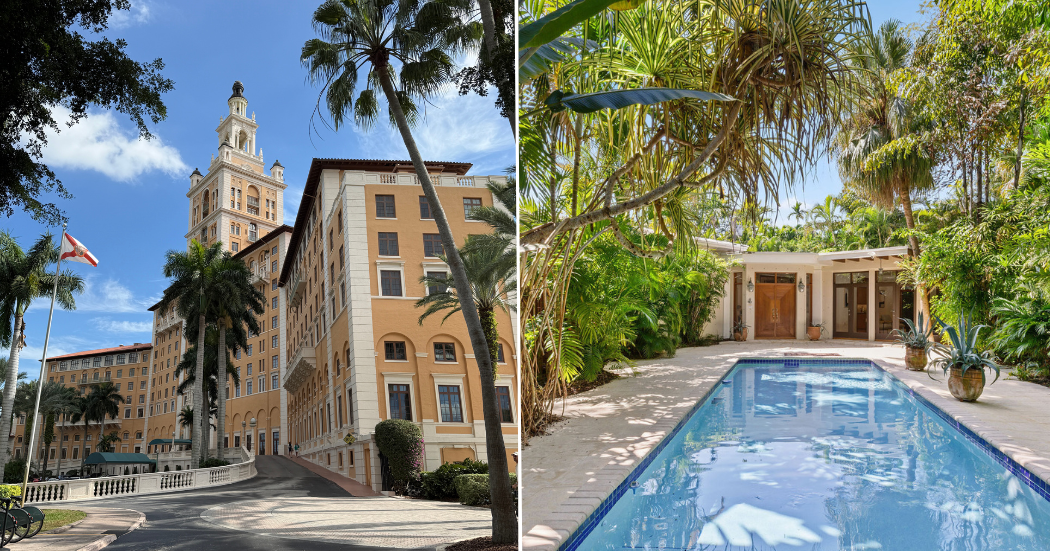
Coral Gables Biltmore Hotel and Coconut Grove Home

Trying to decide between Coral Gables and Coconut Grove — and wondering which one would actually fit the way you want to live?

They are neighbors. They are both known for beautiful homes, mature landscaping, excellent dining, and some of the most desirable residential streets in South Florida.

But living in them can feel completely different.

Coral Gables tends to feel more polished, planned, and architectural. Coconut Grove feels more tropical, organic, and relaxed.

Neither is automatically better. The right choice comes down to how you want to live.  Here are some of the biggest differences buyers should consider.

Overall Feel: Polished vs Tropical

This may be the easiest distinction to notice.

Coral Gables was intentionally planned, and that still shows today. The city is known for Mediterranean-inspired architecture, landscaped boulevards, fountains, plazas, tree-lined streets, and carefully maintained residential areas.

There is a sense of order and permanence to Coral Gables.

Coconut Grove, on the other hand, feels much more organic.

The Grove is Miami's oldest neighborhood, and its streets wind through dense tropical landscaping, mature trees, historic properties, modern homes, and pockets that can feel almost hidden from the rest of the city.

The atmosphere is generally more casual and eclectic.

If Coral Gables feels like a beautifully planned city, Coconut Grove can feel more like a tropical village tucked into Miami.

Homes and Architecture

Both neighborhoods offer exceptional real estate, but the housing stock is very different.

Coral Gables

Coral Gables is especially known for:

  • Mediterranean Revival homes

  • Historic residences

  • Traditional estates

  • Waterfront properties

  • Gated communities

  • New luxury construction

  • Condominiums near Downtown Coral Gables

Homes can range from charming older residences near the city's core to substantial waterfront estates in communities such as Gables Estates, Cocoplum and Old Cutler Bay.

Coral Gables is a strong fit for buyers who place a high value on architecture, lot size, established streetscapes, and a more formal residential environment.

Coconut Grove

Coconut Grove has an unusually varied architectural mix.

You may find:

  • Historic cottages

  • Mid-century homes

  • Tropical modern residences

  • Contemporary new construction

  • Townhomes

  • Luxury condominiums

  • Waterfront estates

Two homes located only a few blocks apart can have completely different architectural styles and settings.

That variety is part of the Grove's personality.

Walkability: It Depends Where You Live

Both areas offer walkable pockets, but neither should be treated as uniformly walkable.

Coral Gables

Downtown Coral Gables is centered around Miracle Mile, which serves as a major dining, shopping, entertainment, and business district.

Living close to Miracle Mile can make it possible to walk to restaurants, cafés, shops, and local events.

Move farther south into Coral Gables' larger residential neighborhoods, however, and the lifestyle becomes much more car-oriented.

Coconut Grove

Walkability is one of Coconut Grove's strongest lifestyle features, particularly around the Village Center.

Restaurants, cafés, shops, parks, and CocoWalk are clustered within a relatively compact area, and many residents can walk between everyday destinations.

If walking to coffee, dinner, parks, and shops is important to you, certain parts of Coconut Grove can be particularly appealing.

Dining and Shopping

This category is surprisingly close.

Coral Gables

Coral Gables offers a more traditional downtown dining and shopping district.

Miracle Mile and the surrounding streets have restaurants, sidewalk cafés, boutiques, theaters, and businesses, while Merrick Park adds another major luxury shopping and dining destination.

The atmosphere tends to feel polished and urban without feeling like Downtown Miami.

Coconut Grove

The Grove's dining scene feels more integrated into the neighborhood.

Restaurants and cafés spill onto sidewalks and patios around Main Highway, Commodore Plaza, CocoWalk, and the surrounding streets.

The difference is subtle:

Coral Gables feels more like going downtown for dinner. Coconut Grove often feels like dinner is part of the neighborhood itself.

Waterfront and Boating Lifestyle

This is one area where Coconut Grove's identity is particularly strong.

Coconut Grove sits directly along Biscayne Bay and has a long connection to sailing, marinas, and waterfront recreation.

Its waterfront parks and marinas are woven into everyday neighborhood life.

That does not mean Coral Gables lacks waterfront living.

Quite the opposite.

Some of Miami's most significant waterfront estates are located in Coral Gables, particularly within communities such as:

  • Gables Estates

  • Cocoplum

  • Tahiti Beach

  • Old Cutler Bay

  • Gables by the Sea

But in Coral Gables, the waterfront experience is often more residential and private.

In Coconut Grove, the bay is part of the broader neighborhood lifestyle. In Coral Gables, waterfront living is often concentrated within individual homes and private communities.

Privacy and Gated Communities

If gated estate living is high on your wish list, both Coral Gables and Coconut Grove offer compelling options — but the experience is somewhat different in each neighborhood.

South Coral Gables is particularly well known for its established gated and guard-gated communities, many offering waterfront estates, larger properties, private roads, marinas, and varying levels of security. For buyers specifically seeking a larger guard-gated neighborhood with a broader selection of homes, Coral Gables generally provides more options to compare.

Coconut Grove also has several highly exclusive gated communities, although they tend to be smaller and more intimate. In South Grove especially, buyers will find enclaves such as The Moorings, Entrada Estates, Hughes Cove, Camp Biscayne, Four Way Lodge Estates, and The Anchorage, many with waterfront homes, private docks or direct Biscayne Bay access. The Cloisters on the Bay offers another gated option closer to the heart of Coconut Grove, with luxury villas rather than traditional estate homes.

The difference is less about whether gated living exists and more about scale and character: Coral Gables offers a greater concentration of larger gated neighborhoods, while Coconut Grove’s gated communities tend to feel more boutique, secluded, and closely integrated into the Grove’s lush residential landscape.

 Lot Sizes and Outdoor Space

This can vary tremendously within both neighborhoods.

Coral Gables generally offers more opportunities for buyers seeking larger traditional estate lots, particularly as you move south toward Old Cutler Road and the gated communities.

Coconut Grove often has more irregular lots because of the neighborhood's age and organic street layout.

That can be part of the charm.

Some Grove properties feel almost hidden behind dense tropical landscaping, while others maximize smaller lots with contemporary architecture, courtyards, pools, and indoor-outdoor living.

Historic Character

Both communities have enormous historical significance, but they express it differently.

Coral Gables' history is largely reflected in its planned architecture and Mediterranean Revival identity.

Coconut Grove's history feels more layered.

The Grove is Miami's oldest neighborhood, and historic locations, older homes, longtime commercial buildings, and winding streets remain woven into the modern neighborhood.

For buyers who enjoy architectural variety and neighborhoods that evolved over generations, Coconut Grove can feel particularly distinctive.

The Commute and Location

One reason both areas remain so desirable is their location.

Coral Gables and Coconut Grove provide relatively easy access to:

  • Brickell

  • Downtown Miami

  • Miami International Airport

  • University of Miami

  • South Miami

  • Pinecrest

Coconut Grove also offers Metrorail access, which can be an important consideration for certain commuters.

Actual commute times can vary considerably depending on the exact property and Miami traffic, so I always recommend evaluating the specific address rather than the neighborhood name alone.

Coral Gables May Be Right for You If...

You may naturally gravitate toward Coral Gables if you prefer:

  • More traditional architecture

  • Larger estate properties

  • Gated community options

  • Private waterfront homes

  • Streets with Sidewalks 

  • Wide, landscaped residential streets

  • A polished and established atmosphere

  • Downtown dining and shopping around Miracle Mile

  • A more structured neighborhood feel

Coconut Grove May Be Right for You If...

You may naturally gravitate toward Coconut Grove if you prefer:

  • Lush tropical landscaping

  • A more relaxed neighborhood atmosphere

  • Architectural variety

  • Walkability around the Village Center

  • Waterfront parks and marinas

  • Sailing and boating culture

  • Sidewalk cafés and outdoor dining

  • A neighborhood with a more organic, eclectic character

The Biggest Difference Between Coral Gables and Coconut Grove

For many buyers, the choice really comes down to atmosphere.

Coral Gables feels more refined and structured. Its broad streets, historic architecture, gated enclaves, and established residential sections give it a more formal feel.

Coconut Grove feels more relaxed and spontaneous. The winding streets, dense tropical canopy, cafés, marinas, and mix of architectural styles create a neighborhood that feels less planned and more naturally evolved.

Both offer luxury homes.

Both offer waterfront living.

Both have excellent restaurants.

Both put you close to central Miami.

The difference is often less about what each neighborhood has and more about how each neighborhood feels when you spend time there.

So, Coral Gables or Coconut Grove?

It comes down to what feels right when you are actually there.

Someone who loves the architectural elegance and wide residential streets of Coral Gables may not want the more eclectic atmosphere of Coconut Grove.

Someone who loves walking beneath the canopy in the Grove, grabbing coffee and continuing toward Biscayne Bay may find Coral Gables a little too formal.

And some buyers genuinely love both.

That is why I encourage clients to spend time in each neighborhood—not simply tour houses.

Have lunch. Walk the streets. Drive home at 5:30 in the afternoon. Grab coffee on a Saturday morning. See what everyday life actually feels like.

The house matters.

But when you are choosing between Coral Gables and Coconut Grove, the neighborhood may matter just as much.

Thinking About Moving to Coral Gables or Coconut Grove?

You don't have to decide based on an online list.

The best way to choose between Coral Gables and Coconut Grove is to understand the individual pockets within each community.

A home near Miracle Mile offers a very different lifestyle from an estate in South Coral Gables.

Likewise, living in the Village Center of Coconut Grove feels very different from owning a secluded property in South Grove.

After more than 20 years working in the Miami real estate market, I can help you compare not only properties, but the streets, communities, lifestyle, access, and everyday details that can determine whether a neighborhood truly fits you.

Work with Lisa Fox | Coldwell Banker Realty

Whether you are looking to buy, sell, or relocate anywhere across Coral Gables, Coconut Grove, Pinecrest, Doral, or greater South Florida, I am here to help you navigate the local market with confidence.

Lisa Fox | Coldwell Banker Realty

📍 Serving Coral Gables, Coconut Grove, and South Florida Real Estate

Call or text me at 305-345-8153 or email Lisa@LisaFox.com.

🌐 Explore Homes at CoralGablesHomeSearch.com


Sept. 30, 2026

Inside the New Whole Foods Market in Doral: What to Expect & Why Locals Love It

Have you checked out the new Whole Foods Market in Doral yet? The much-anticipated store officially opened on July 2, 2026, bringing another major grocery and lifestyle option to one of Miami-Dade’s fastest-growing communities.

Located at 10700 NW 41st Street, the new Whole Foods spans approximately 43,000 square feet and features more than 550 products from over 125 Florida-based suppliers. For Doral residents, it is another convenient addition to a neighborhood that continues to expand its mix of shopping, dining, residential communities, and everyday amenities.

As a local real estate agent who is regularly in Doral showing homes to buyers relocating from across the country, keeping up with neighborhood amenities is an important part of my job. After a recent showing near Urbana at Downtown Doral, I stopped by the new Whole Foods to see what the store had to offer.

<iframe width="504" height="896" src="https://www.youtube.com/embed/9fQT4L5k96o" title="The NEW Whole Foods Market in Doral, Florida 🛒🌴" frameborder="0" allow="accelerometer; autoplay; clipboard-write; encrypted-media; gyroscope; picture-in-picture; web-share" referrerpolicy="strict-origin-when-cross-origin" allowfullscreen></iframe>

Here is what stood out.

1. A Modern Layout Designed for Convenience

One of the first things you notice when walking into the Doral Whole Foods is the bright, modern layout and extensive selection.

The produce department includes certified organic and conventional fruits and vegetables, along with locally sourced options. The store also carries products from Florida brands including Panther Coffee, Lakewood Organic Juice, Gelatys, and other local suppliers.

Another especially convenient feature is the store’s Amazon return and pickup area.

The Doral location offers an Amazon Counter and self-service returns kiosk, allowing shoppers to return eligible Amazon purchases without a box or shipping label. That makes it easy to combine a grocery run with another everyday errand.

2. Bakery Favorites & Local Finds

The bakery section is another area worth exploring.

Whole Foods confirms that the Doral location offers freshly baked breads, ready-made desserts, and custom cakes. The store also emphasizes products from Florida-based suppliers, giving shoppers a chance to discover familiar South Florida brands alongside Whole Foods favorites.

For anyone who loves discovering local Miami food brands, that regional selection is one of the things that helps this location feel connected to South Florida rather than like just another national grocery store.

3. Prepared Foods for Busy Doral Days

If you are stopping in for lunch, grabbing dinner after work, or simply do not feel like cooking, the prepared-food options are another highlight.

The Doral store includes:

  • Doral Pizza: Custom pizzas and daily specials, including vegan and vegetarian options.

  • Hot & Salad Bar: Seasonal entrées, salads, sides, and keto- and paleo-friendly selections.

  • Sushi Maki: Fresh sushi made with seafood sourced according to Whole Foods standards.

  • Market Sandwich: Made-to-order sandwiches with signature combinations or build-your-own options.

  • Fresh Bakery & Desserts: Breads, cakes, and other grab-and-go treats.

For professionals and families juggling busy schedules, having so many meal options in one place makes the store especially useful beyond the traditional weekly grocery trip.

More Local Products Than You Might Expect

One detail I especially like about this location is Whole Foods’ focus on Florida suppliers.

The store opened with more than 550 local items from over 125 Florida-based suppliers, including products from names such as Panther Coffee, Fullei Fresh, Lakewood Organic Juice, and Gelatys.

It is a small detail that makes a big difference—and another reminder of how strong Miami’s local food scene has become.

The Real Estate Connection: Why Everyday Amenities Matter in Doral

When buyers ask me what makes a neighborhood desirable long term, I always encourage them to look beyond the house itself.

Where do you grocery shop? Where do you grab dinner after work? How close are the parks, schools, restaurants, and everyday conveniences?

Those lifestyle factors can play a major role in how people experience a neighborhood.

Communities such as Urbana at Downtown Doral offer buyers a combination of residential living and convenient access to shopping, dining, schools, parks, and other amenities. The arrival of a major retailer like Whole Foods adds another option for residents and reflects the continued commercial growth happening throughout Doral.

Whole Foods Market Doral is open daily from 8 a.m. to 10 p.m.

Looking for a Home in Doral?

If you are considering a move to Doral, I would be happy to help you explore the neighborhoods, communities, and homes that best fit your lifestyle.

I recently listed a 4-story corner townhome at 4720 NW 84th Court in Urbana at Downtown Doral, featuring 3 bedrooms, a private elevator, and more than 2,900 square feet of living space. Contact me for current availability and private showing details.

Work with Lisa Fox | Coldwell Banker Realty

Whether you are looking to buy, sell, or relocate anywhere across Doral, Coral Gables, Coconut Grove, or greater South Florida, I am here to share local market expertise and guide you through every step of your real estate journey.

Lisa Fox | Coldwell Banker Realty

📍 Serving Doral, Coral Gables, Coconut Grove, and South Florida Real Estate

Call or text me at 305-345-8153 or email Lisa@LisaFox.com.

¿Prefiere hablar en español? Con mucho gusto. Llámeme o escríbame.
(Prefer to speak Spanish? I’m happy to help—call or text me.)


Posted in Doral
July 8, 2026

The Gables Club Unit 7G — Northeast Corner Condo with Direct Bay and Skyline Views in Coral Gables

If you're searching for a luxury condo in Coral Gables with waterfront views, The Gables Club is one of the most sought-after addresses in the city — and Unit 7G in Tower 1 is one of its most coveted residences.

Located at 10 Edgewater Drive, this Northeast corner unit offers something rare: direct, unobstructed views of Biscayne Bay, the Miami skyline, Key Biscayne, and Miami Beach — all from three private balconies.

About the Residence

Unit 7G features 2 bedrooms, 3 bathrooms, a formal living room, and a family room open to the kitchen — a layout that lives large and works equally well for entertaining or everyday life. The Northeast corner position means natural light all day and the best view line in the building, showing the bay and the skyline.

The Gables Club Lifestyle

The Gables Club is two towers set on 10.5 acres along the Gables Waterway, offering a resort-style lifestyle that few buildings in South Florida can match:

  • Private marina with boat slips
  • Residents-only restaurant***
  • Spa with services - hair salon, manicurist and massage
  • Two swimming pools including a lap pool
  • Tennis courts (four and two are lit)
  • 2 Exercise rooms, plus a Pilates room
  • Dog park
  • Putting green

Take a Video Tour

Watch the full walkthrough above to experience Unit 7G for yourself.


Ready to schedule a private showing? Contact Lisa Fox and Sheila Freed, Coldwell Banker Realty — 305-345-8153 or Lisa@LisaFox.com


Frequently Asked Questions About The Gables Club, Coral Gables

What is The Gables Club in Coral Gables? The Gables Club is a prestigious luxury condominium community in Coral Gables, Florida, consisting of two towers set on 10.5 acres along the Gables Waterway with direct access to Biscayne Bay. It is widely considered one of the most amenity-rich and sought-after condo addresses in South Florida.

What amenities does The Gables Club offer? Residents enjoy a private marina with boat slips, a residents-only restaurant, full-service spa, two swimming pools including a lap pool, tennis courts, a state-of-the-art fitness center, and a dog park — all within a beautifully landscaped gated community.

What are the views like at The Gables Club? Depending on the unit and floor, views range from the Gables Waterway canal to Biscayne Bay, Key Biscayne, Miami Beach, and the Miami skyline. The Northeast corner units in Tower 1 — like Unit 7G — are considered the most desirable view line in the building.

Is The Gables Club pet friendly? Yes. The Gables Club has a dedicated dog park on the property.

Does The Gables Club have a marina? Yes. The Gables Club has a private marina with boat slips available to residents, offering direct water access — a rare feature for a condominium community in Coral Gables.

What is currently available at The Gables Club? Unit 7G in Tower 1 is currently listed at $3,200,000. This is a 2-bedroom, 3-bathroom Northeast corner residence with three balconies and panoramic views of Biscayne Bay, the Miami skyline, Key Biscayne, and Miami Beach. Contact Lisa Fox and Sheila Freed at 305-345-8153 for a private showing.

Is The Gables Club a good building to buy in? The Gables Club consistently ranks among the top luxury condo communities in Coral Gables due to its private setting, extensive amenities, waterway and bay views, and strong sense of community. It appeals to both primary residents and buyers seeking a refined South Florida lifestyle.

Where is The Gables Club located? The Gables Club is located at 10 Edgewater Drive, Coral Gables, FL 33133, just minutes from Miracle Mile, Coconut Grove, and downtown Miami.


Posted in Coral Gables, Listings
June 23, 2026

Wonderful Estate Home in Windemere Woode

Wonderful Estate Home in Windemere Woode | South Miami - Sunset Area

A home defined by space, light, and architectural character—located in the desirable enclave of Windemere Woode, just off Sunset Drive in Miami.

 8450 SW 74 Terrace, Miami, FL

5 Bedrooms + 2 Dens | 4.5 Bathrooms | 2-Car Garage | Swimming Pool | Whole House Generator 

 This estate residence is centered around a striking interior atrium with a waterfall, filling the home with natural light and creating a true sense of calm. Expansive living areas, a third-level retreat, and seamless indoor-outdoor flow make it ideal for both everyday living and entertaining.

 Enjoy a covered summer kitchen, oversized pool, and lush surroundings with mature mango trees. Important updates include impact windows and doors, newer roof and A/C systems, PVC plumbing, whole-house generator, and elevator plans.

 📍 Windemere Woode | South Miami


📩 Contact me for more information or to schedule a private showing.

A Home

Lisa Fox Miami Real Estate is your place to find all information about Miami, Florida homes and condos for sale and information buying and selling in today's Miami and South Florida real estate market. Serving to a large extent, Coral Gables real estate, Coconut Grove, Pinecrest, Brickell, Miami, Palmetto Bay, South Miami, Miami Beach, and surrounding communities.

Posted in Listings
April 23, 2026

The Miami Real Estate Market Has Shifted!

Here's your Miami real estate March-April update. We see peak season activity bringing more buyers into contracts, closes prices increase.

Here’s the March Data:
✅38% is all sales closed ALL CASH.
✅we have a 12% increase in the amount of closed sales over $1 M, countywide.
✅ Median sales price for all SF homes countywide up +3.7% in March vs last year.
✅Average sales price of homes and condos combined up over 9% in March versus last year.

if you’re thinking about buying, selling, or just curious about your home value, the data matters, Neighborhood by Neighborhood. And knowing how to read it makes all the difference.

This is a market. I’ve been navigating for 23 years. Please reach out to me directly for more information and straight answers with clarity.

Posted in Market Reports
Jan. 12, 2026

Video: An Iconic Landmark | Coral Gables' Biltmore Hotel Turns One Hundred

The Biltmore Hotel is celebrating 100 years of history, elegance, and architectural beauty—
and it’s still one of the most breathtaking historical places in all of South Florida. From its beautiful design and legendary pool—one of the largest hotel pools in the country— The Biltmore Hotel has hosted world leaders, international summits, Hollywood legends, and generations of memorable moments.

Here's a Little History:

Coral Gables founder George Merrick wanted a monumental building as a centerpiece for his suburban upscale garden-city development. Various cities at that time promoted grand architecture as a foundation of city planning - as a part of the City Beautiful movement. Inspiration for the Biltmore Hotel's iconic tower came from the majestic Giralda Tower in Seville, blending Spanish heritage with Merrick's Mediterranean Revival vision.

The hotel officially opened in January 1926, and it was the tallest building in Florida. In September, a major hurricane struck Miami. While the hotel was undamaged, the housing boom ended, and Merrick's company filed bankruptcy in 1929. The hotel was resold a few times before eventually ending up in the hands of the military during WWII, serving as a hospital.

The building served many roles over its long history - Post WWII, it later became a VA hospital and early UM school of medicine thereafter. Fortunately, the City of Coral Gables was granted ownership for $3 million in 1973 under the Historic Monuments Act, and the building was added to the US National Register of Historic Places. They discussed converting it into a housing complex with adjacent apartment buildings or using it as a campus for FIU.

Fortunately, after bringing the golf course and country club back to life, the city agreed to restore the Biltmore to a 266-suite hotel for $40 Million. That still wasn't the grand season of the Biltmore - After being restored and reopened as a 4-Star hotel in 1987, the loan note was foreclosed on by Barnett Bank and the hotel closed for 3 years in 1989.

A Helping Hand Comes Along: Gene Prescott and the Seaway corporation saved the hotel. The city agreed to lease them property and land for 99-years. It was restored once again, and the Biltmore was later was designated a National Historic Landmark in 1996. Today it remains a centerpiece of Coral Gables heritage, culture and architectural splendor.

What's at the Biltmore Hotel? In addition to being a hotel, there's an 18-hole golf course, a spa, and an iconic swimming pool - one of the largest in the country. There are event rooms, conference and meeting rooms, and restaurants, Sunday brunch is popular. The ballroom often serves as a venue for weddings. The Biltmore offers membership options to the community to use its facilities. Throughout the year are both public and private events, including an outstanding 4th of July fireworks show and a New Years Eve dessert and fireworks event.

Have There Been Famous Visitors?
Here are some of the Biltmore's famous visitors of the past decades: Christina Aguilera, Muhammad Ali, Lauren Bacall, Kevin Bacon, Antonio Banderas, Angela Bassett, Larry Bird, James Caan, Natalie Cole, Cindy Crawford, Celia Cruz, Jane Curtin, His Holiness the Dalai Lama, Jamie Foxx, Andy Garcia, Gisselle, Woody Harrelson, Tommy Hilfiger, Evander Holyfield, Oscar de la Hoya, Rachel Hunter, Julio Iglesias, LL Cool J, Janet Jackson, Magic Johnson, Spike Lee, Jennifer Lopez, Chuck Mansion, Ricky Martin, Luis Miguel, Julianne Moore, Bill Murray, Prince, Robert Redford, Martin Sheen, Will Smith, Sylvester Stallone, Martha Stewart, Rod Steward, Oliver Stone, The Bee Gees, John Travolta, Gloria Vanderbilt, Oprah Winfrey, and the list goes on.

As a long time Miamian and Realtor, I love sharing places that define the character of our community. This hotel isn’t just historic—it’s alive, relevant, and still setting the standard for luxury living in South Florida. If you appreciate iconic architecture, historic hotels, or are curious about life in Coral Gables, this centennial moment is something special to experience.

📍 Coral Gables, Florida 🏛️ Historic Landmark 💯 Celebrating 100 Years of Legacy

For more information about the Biltmore Hotel, click here: The Biltmore Hotel


Posted in Coral Gables
Dec. 10, 2025

Coral Gables: Miami’s International Hub with a Truly Global Soul

Coral Gables Granada Blvd Fountain

Coral Gables: Miami’s International Hub with a Truly Global Soul

Having lived in Miami nearly my entire life — and worked in real estate throughout Coral Gables for over two decades — I’ve watched the city grow into a truly global destination. What many people don’t realize is that Coral Gables quietly sits at the center of Miami’s international business presence.

Beyond its beauty and lifestyle, Coral Gables has become one of South Florida’s most respected international hubs, attracting multinational companies, foreign government offices, global executives, and families from around the world who often choose to live here long-term — not just work here.

A Global Business Presence in a Human-Scale City

Coral Gables may be smaller in size than the City of Miami, but its global footprint is significant. The city is home to more than 120 multinational companies, along with international banks, over 20 government offices and consulates, and regional headquarters serving Latin America, Europe, and the Caribbean.

This concentration of global business within a relatively compact, beautifully planned city is rare. Companies are drawn to Coral Gables for its executive-level office environment, technology and security offerings, its stability and prestige — without the congestion and overdevelopment found elsewhere in Miami-Dade County.

 An International City by Design

 Coral Gables has embraced international connectivity since its founding. One of the original area slogans used by George Merrick included, "Where Your Castles in Spain are Made Real."  Currently the City maintains official international ties with over 21 foreign consulates located here. The Gables is a highlight for the international "sister city" program, with seven friendship and sister cities, plus four in emeritus with cities across Europe, Latin America, and beyond. This program serves to foster long-standing global relationships that extend beyond business into culture, education, and civic exchange.

 This global lens is evident throughout the community — in languages spoken, cultural events, schools, restaurants, and international institutions. Coral Gables doesn’t just attract global residents; it integrates them.

 Why Multinationals Choose Coral Gables

Over the years as a Realtor focusing on the residential side, I’ve worked closely with executives and corporate clients relocating to Miami. When asked why their companies chose Coral Gables over other parts of the county, the answers are remarkably consistent:

• Strategic location within 15 to 20 minutes Miami International Airport and Downtown Miami

• Like-minded community of professionals

• Business-friendly environment and long-term municipal stability

• A sense of global diversity living and working in the area

• Prestige with livability, not high-density chaos

Coral Gables offers international access while still providing a refined, residential atmosphere — a combination that’s difficult to replicate.

What Attracts Executives and Families to Live Here

Once companies establish a presence in Coral Gables, executives often follow. Many of the professionals I work with initially arrive for business and quickly realize this is where they want to settle.

They’re drawn to:

• A diversity of living accommodations from waterfront luxury homes to condominiums in a vibrant walkable downtown

• Strong public and private school options, including University of Miami

• Walkable dining and shopping districts

• Quiet residential neighborhoods just minutes from work

• Tree-lined streets and architectural consistency

Over the years, I’ve worked with relocating families from more than 20 countries, helping them navigate schools, neighborhoods, and housing across Miami — including Coral Gables and surrounding communities. Understanding the cultural, educational, and lifestyle priorities that come with international relocation is essential — and it’s experience you only gain over time.  I have lived abroad in Mexico, and I understand intricacies of moving to a foreign country.

A City Where Global Meets Personal

What truly sets Coral Gables apart is how seamlessly global business blends with daily life. Executives and professionals can attend international meetings, walk to lunch along Miracle Mile, enjoy cultural events, and return home to peaceful, elegant neighborhoods — all within the same thoughtfully designed city.

That balance is rare. And it’s why Coral Gables continues to attract multinational companies, global professionals, and residents from around the world who are looking for more than just a place to live — they’re looking for a place that feels established, refined, and enduring.

_____________________________

About Lisa Fox | Coral Gables Real Estate Advisor & Miami Relocation Specialist

Lisa Fox has strong roots in Miami and is a trusted real estate advisor with over two decades of experience representing buyers and sellers throughout Coral Gables and Miami-Dade County. Having lived in Miami nearly her entire life, Lisa offers clients an insider’s understanding of the city — its neighborhoods, schools, culture, and lifestyle — that only comes from firsthand experience. 

Lisa has built a strong reputation working with corporate executives, both domestic and international buyers and sellers, and relocating families, helping them navigate every aspect of moving to Miami. From neighborhood and school guidance to securing homes aligned with lifestyle, privacy, and long-term goals, Lisa serves as a trusted advisor throughout the relocation process.  When it's time to move again, her clients frequently call her back to help them move again.

She is a Certified International Property Specialist (CIPS), a designation specializing in cross-border transactions and international buyers. Known for her discretion, strategic insight, and hands-on service, Lisa helps her clients not only find the right home — but feel confident and supported as they build their life in Miami

Posted in Coral Gables
Sept. 24, 2024

Top Three Reasons Miami Real Estate is Heating Up!

Posted in Market Updates
April 17, 2024

Brickell Miami History

Brickell Miami

SPOTLIGHT: "What would Mary Brickell think?" HERE'S A LITTLE HISTORY: On the south side of the Miami River, the native Tequesta people created a pre-historic structure dating back 2700 years. It's believed by some to be their capital center building - Today it's known as the "Miami Circle".

In more recent history, Mary Bulmer Brickell of England made her home on the south side of the River in 1871 with her husband William Brickell. The pair was able to purchase and accumulate land in the area, known as the quieter side. The majority of the action was happening north of the Miami River around Flagler Street in today's Downtown Miami.

Mary Brickell platted the area mostly for mansions and single-family homes for the wealthy. She benefited from the construction of Flagler's railroad. Mary was known for her generosity, helping members of disadvantaged communities to also become property owners. She passed away in January of 1922. What would Mary Brickell think today?

Brickell is now home to many residential towers, and more recently, pre-construction high-end towers with fancy brand names and developer partners such as: The ST Regis Brickell, Dolce and Gabbana, The Residences at the Mandarin Oriental, and the Cipriani Tower. One can still have a piece of the action with many more affordable options in the area.

As someone who's lived in Miami my whole life, I am constantly amazed at how our city has evolved and changed throughout the years. Reach out to me for more info about Brickell and other popular Miami areas. Serving Miami as a Realtor for 21 Years.

Posted in News